When Should You Replace Your Work Shoes? 7 Signs You're Due for a New Pair
Jul 15, 2026
Work shoes are designed to provide comfort, support and protection throughout your workday, but they won't last forever. Over time, everyday wear can reduce cushioning, grip and stability, affecting both your comfort and workplace safety.
Knowing when to replace your work shoes can help prevent unnecessary aches and pains while ensuring you continue to get the support and performance you need. Here are seven signs it might be time for a new pair.
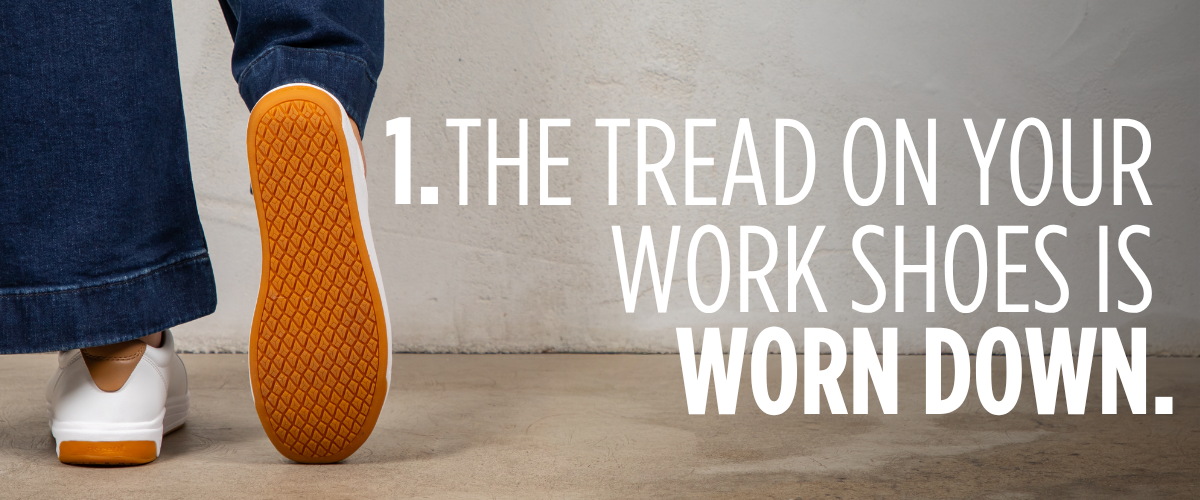
1. The Tread on Your Work Shoes is Worn Down
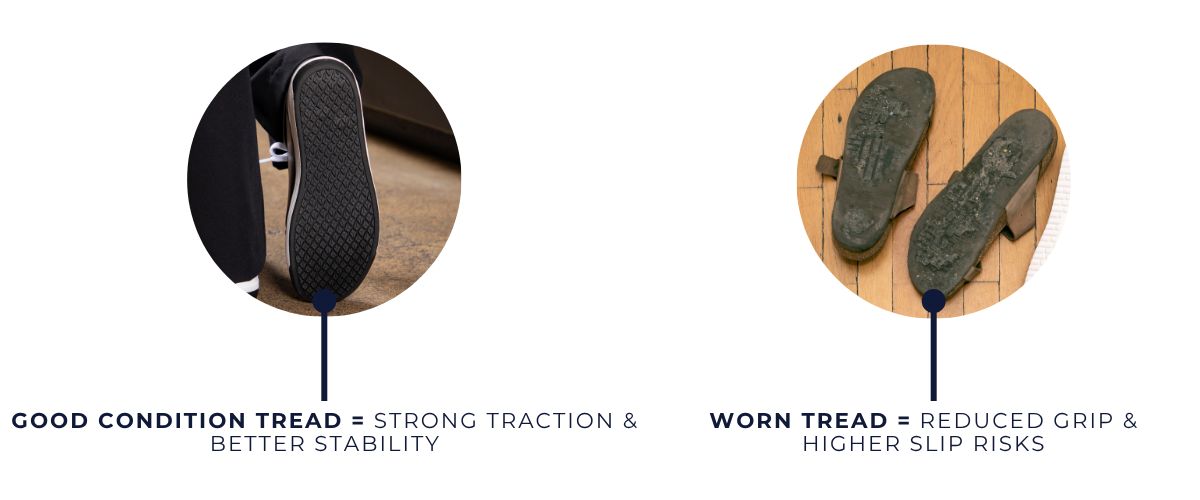
One of the clearest signs it's time to replace your work shoes is worn-out tread. The outsole provides grip and stability, helping reduce the risk of slips on wet, polished or uneven surfaces. If the tread pattern has worn smooth or is uneven, your work footwear may no longer be providing the traction you need to stay safe at work.
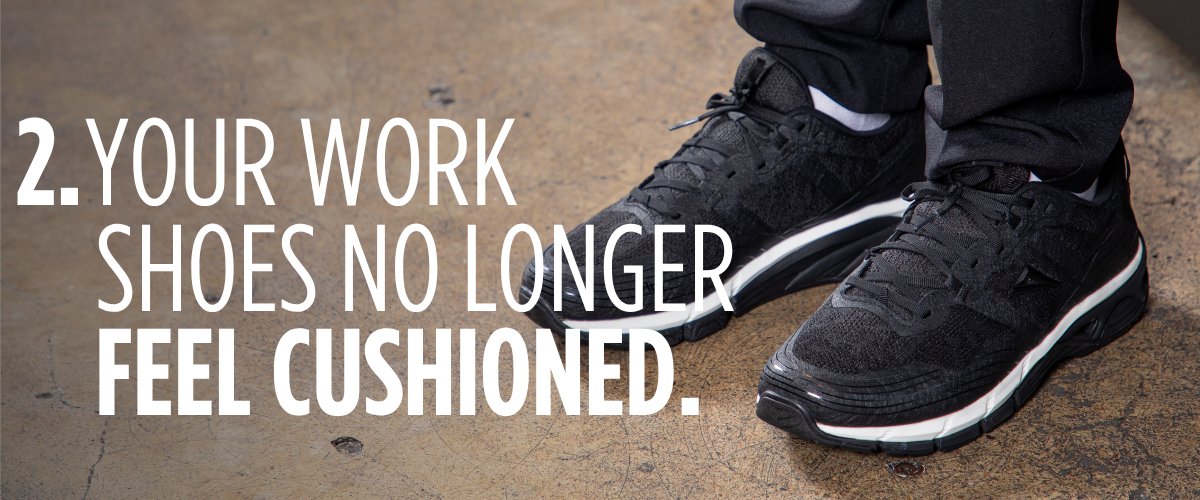
2. Your Work Shoes No Longer Feel Cushioned
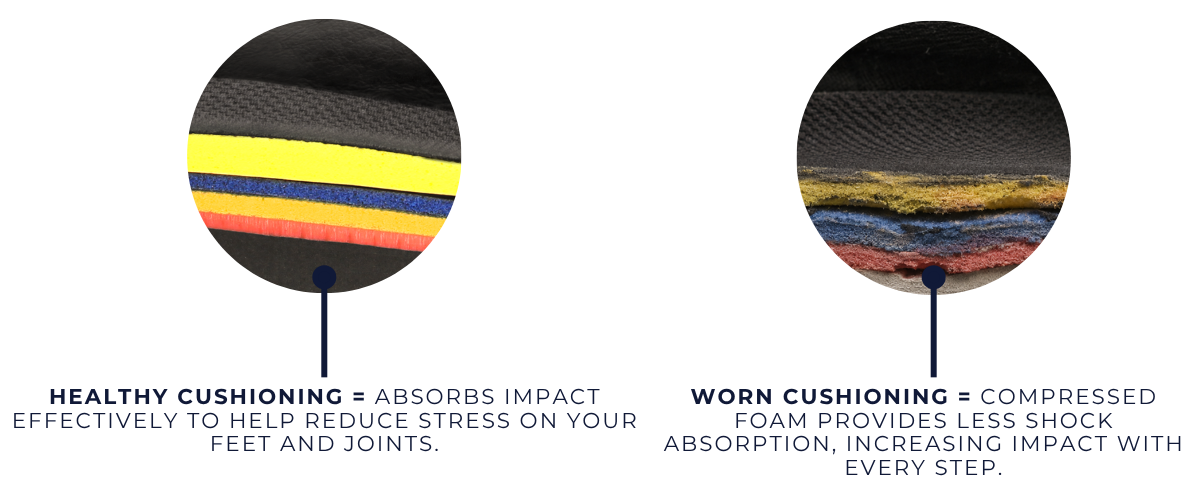
Supportive work shoes should absorb impact throughout your workday. Over time, the cushioning in the midsole compresses and loses its ability to provide comfort and shock absorption. If your work shoes feel flat or your feet are more tired than usual, it may be time for a new pair.

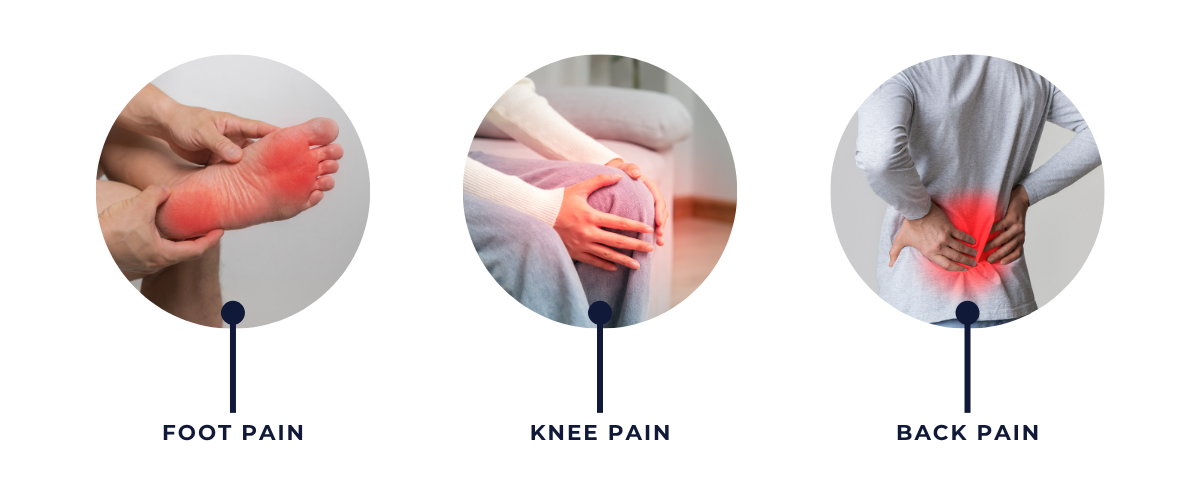
3. You're Experiencing Foot, Knee or Back Pain
If you're noticing heel pain, arch pain, sore knees or lower back discomfort after work, your work footwear may no longer be providing the support your body needs. Replacing worn work shoes can help improve comfort and reduce unnecessary strain on your joints.
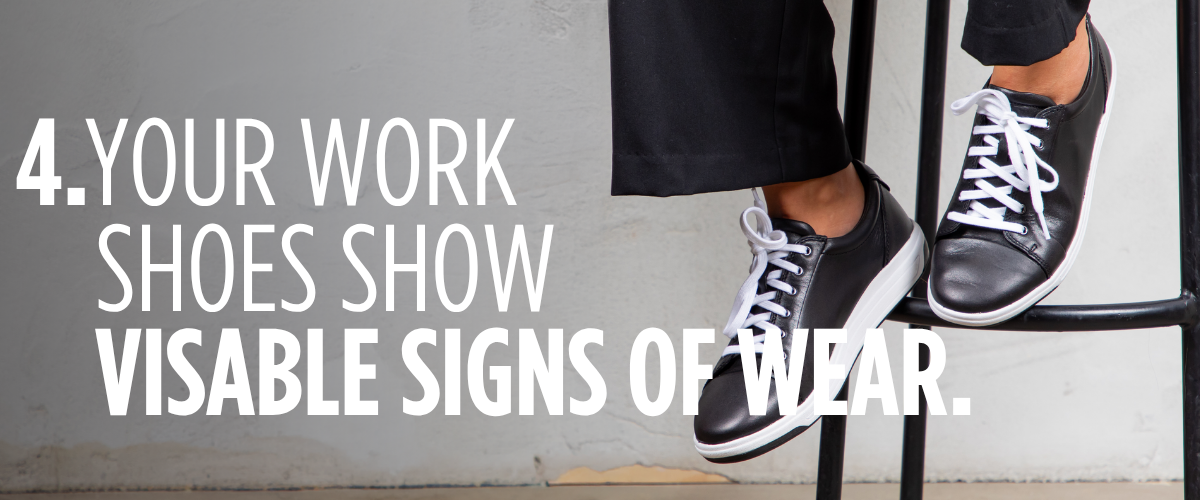
4. Your Work Shoes Show Visible Signs of Wear
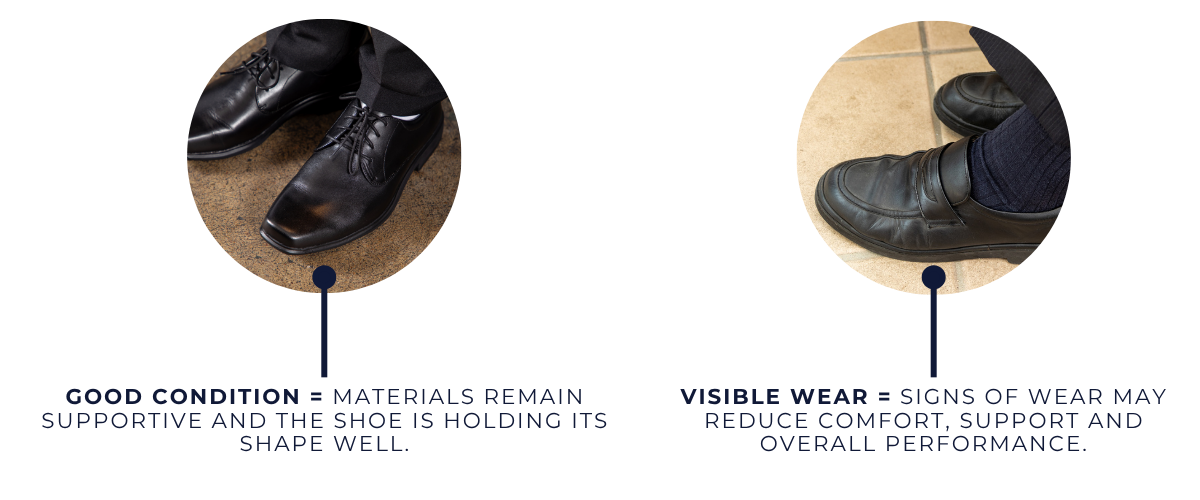
Cracked leather, split seams, worn lining, or holes are all signs your work shoes have reached the end of their lifespan. Damaged work footwear can affect comfort, durability, and, in some workplaces, reduce the level of protection your shoes provide.
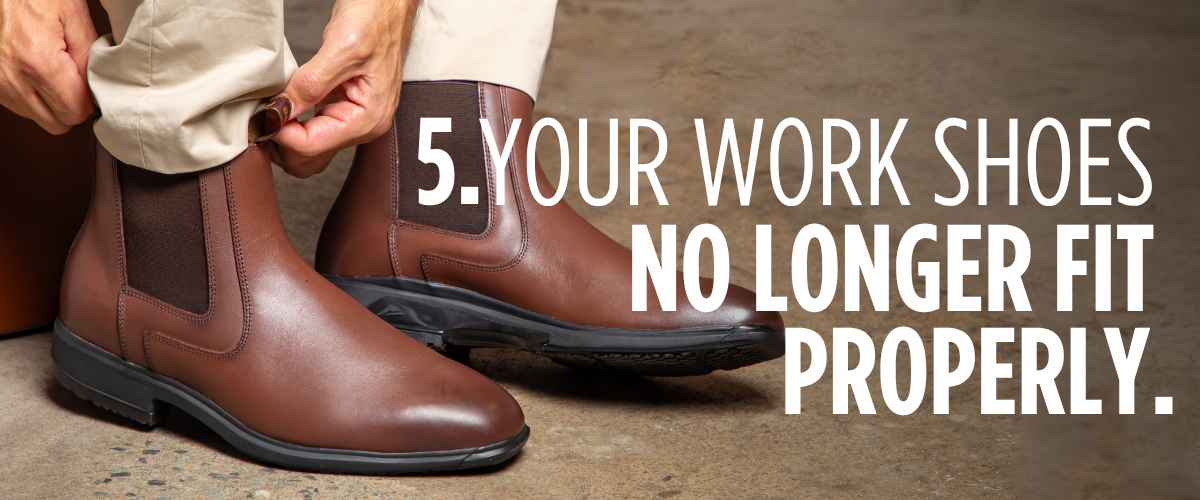
5. Your Work Shoes No Longer Fit Properly
As work shoes age, they can lose their shape and structure. If your feet move around inside the shoe, your heel slips, or the fit feels loose, your footwear may no longer be providing the stability and support needed for long hours on your feet.
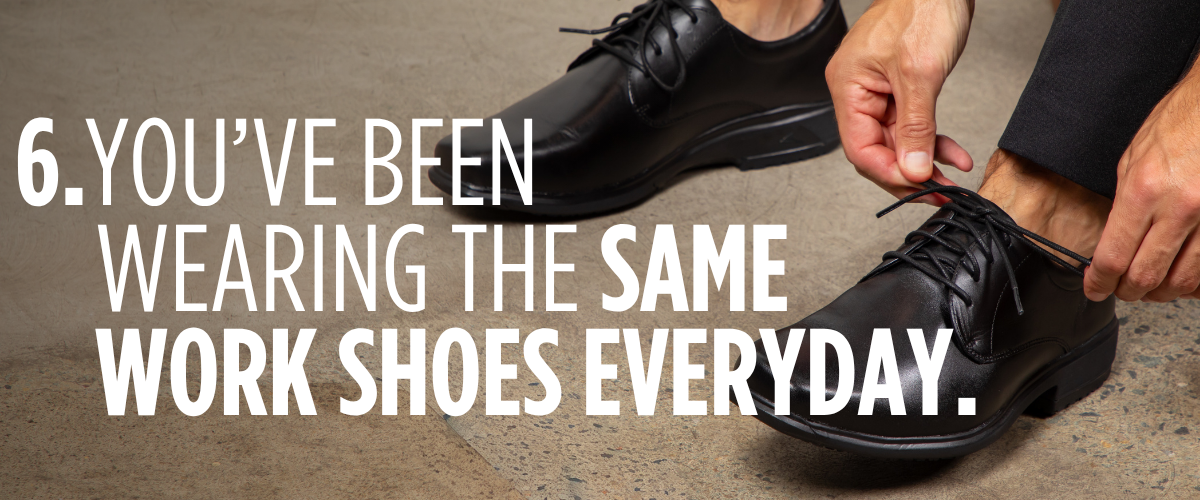
6. You've Been Wearing the Same Work Shoes Every Day
Even the highest-quality work shoes won't last forever. Most work footwear should be replaced every 6–12 months with regular daily wear, depending on your job, the surfaces you work on and how many hours you spend on your feet. Regularly checking your work shoes for signs of wear can help maintain comfort and support.
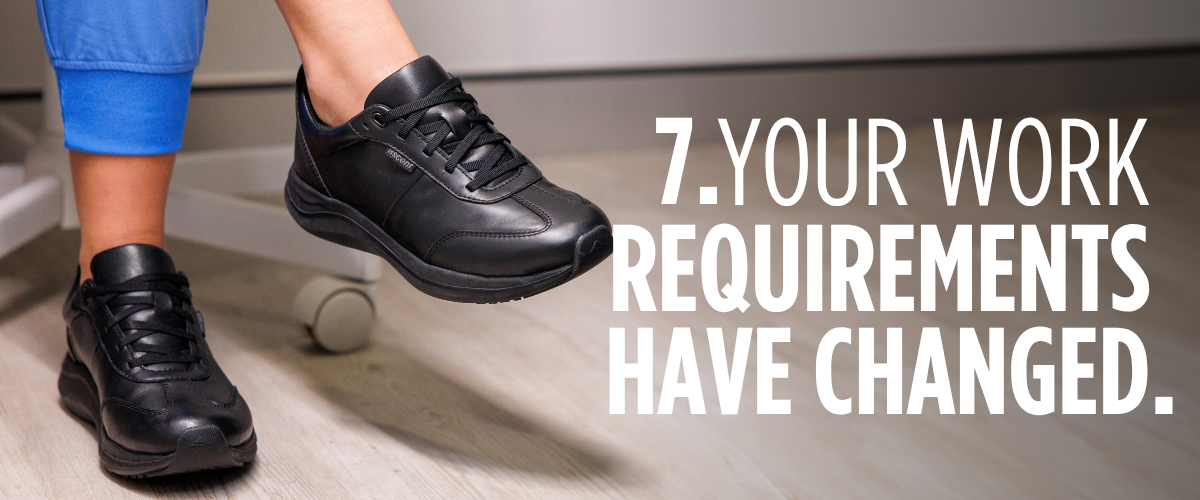
7. Your Work Requirements Have Changed
A new role may require different work footwear. Whether you need slip-resistant work shoes, safety shoes, extra cushioning or more supportive footwear for long shifts, wearing the right shoes for your job can improve both comfort and workplace safety.
Replacing your work shoes at the right time helps maintain comfort, support and workplace safety. If you’re noticing signs of wear, it’s likely time for a new pair that can better support you through every shift.
The Best Shoes For Nurses Who Stand All Day Aug 05, 2026
Slip Resistant Shoes Explained: What Do SRC & SRA Mean? Jul 15, 2026
When Should You Replace Your Work Shoes? 7 Signs You're Due for a New Pair Mar 18, 2026
Behind The Groove Range Feb 27, 2026
The Benefits of our Diamond Grip Outsole Jan 28, 2026
Supportive School Shoes For Every Child Jan 21, 2026
Your Helpful Checklist For Back To School When It Comes To Shoes Jan 14, 2026
Understanding Foot Growth and Shoe Wear in the First School Year Jan 09, 2026
A Podiatrist's Perspective & a Parent's New Chapter Nov 21, 2025
Why Supportive Sandals Matter More Than You Think

Aug 12, 2026
The Best Shoes For Nurses Who Stand All Day Aug 05, 2026
Slip Resistant Shoes Explained: What Do SRC & SRA Mean? Jul 15, 2026
When Should You Replace Your Work Shoes? 7 Signs You're Due for a New Pair Mar 18, 2026
Behind The Groove Range Feb 27, 2026
The Benefits of our Diamond Grip Outsole Jan 28, 2026
Supportive School Shoes For Every Child Jan 21, 2026
Your Helpful Checklist For Back To School When It Comes To Shoes Jan 14, 2026
Understanding Foot Growth and Shoe Wear in the First School Year Jan 09, 2026
A Podiatrist's Perspective & a Parent's New Chapter Nov 21, 2025
Why Supportive Sandals Matter More Than You Think